
Wall and render softwash near Polbathic
painted render and stone walls, slate roofs, 10.4 miles from the yard.
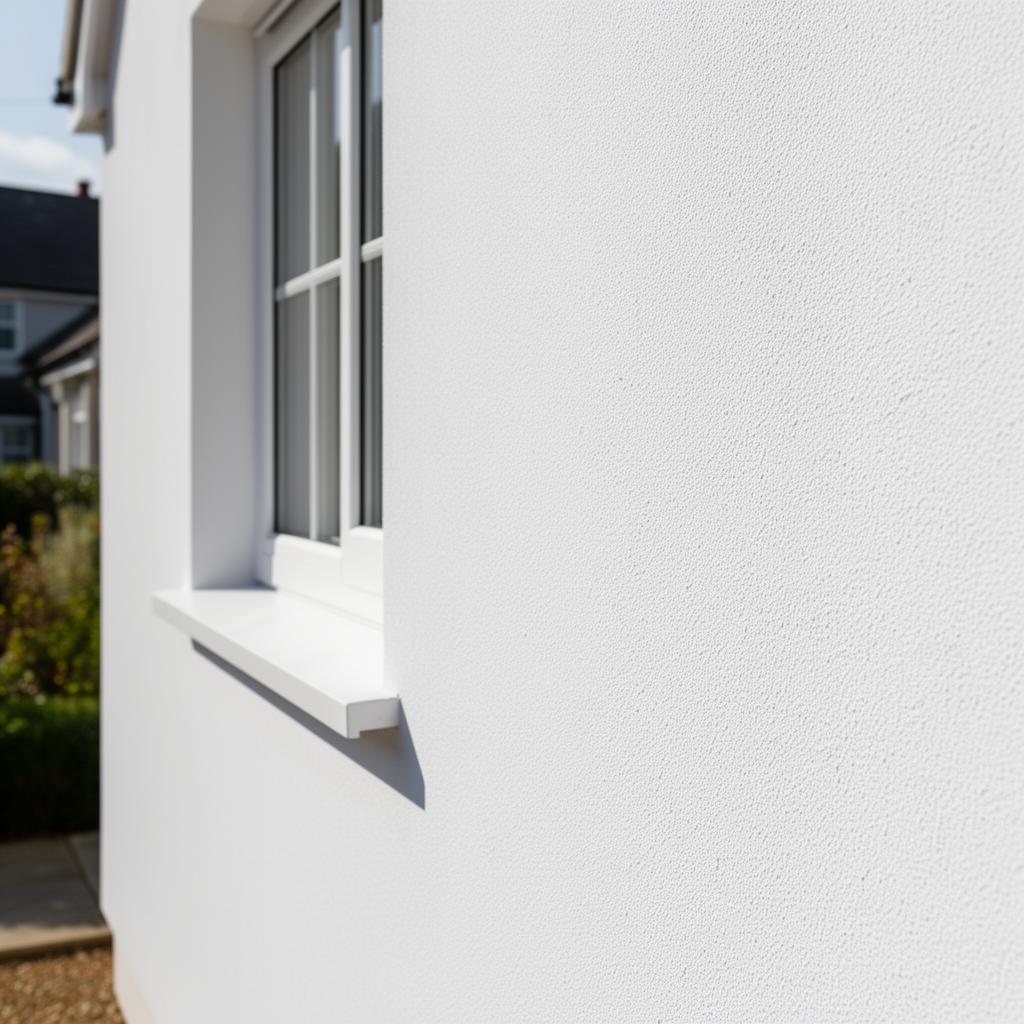
Wall cleaning in Polbathic is mostly a question of what the wall is made of. Creek-head hamlet on the A374. The nearest hub we cover in depth is Torpoint, and the building stock here follows the same pattern.
Polbathic is a creek-head settlement on the A374, recorded with painted render and stone under slate. The first pass separates road-facing residue from growth in damp recesses, because similar darkening can have different causes. Coating soundness, pointing, sill trails and drainage outlets are logged before any test. The stone and rendered areas are assessed independently, especially where later repairs have changed texture or porosity. Creek position and traffic route are useful context, not proof of what is on a wall; identification comes from the pattern, surface response and a controlled trial on each representative finish.
The Cornwall detail
- Postcode district: PL11. County: Cornwall. Approx 10.4 miles from the PL3 base.
- Access is usually via A374 and Torpoint Ferry.
- PL11 covers 4 town hubs and 12 villages or districts in our radius.
- Typical wall finish here is painted render and stone, which sets the cleaning method.
- Torpoint sits about 8 miles from Polbathic on our round, so visits are often shared.
painted render and stone and what it needs
- Modern render, whether sand and cement or a thin-coat system, has a slightly porous face that holds airborne spores.
- Render cleans up well at low pressure and badly at high pressure, because pressure removes the finish along with the growth.
- Colour on a painted wall usually returns once the film on top is removed.
- Painted plinths take splash and are worked as a separate band from the main face.
- Method is set by the softest thing on the wall, not the hardest.
- Treatment on stone is applied in stages so it soaks into the joints rather than running off the faces.
Application, dwell and rinse
- 1.Rinsing, where it is needed at all, runs top down at a pressure you could hold your hand in front of.
- 2.Timber decking or a doorstep directly under the work is covered rather than rinsed afterwards.
- 3.Where a lean-to gutter runs at wall height, it is cleared first so it does not overflow mid-visit.
- 4.Where a wall runs straight down to a lawn, a run of sheeting is pegged along the base instead of relying on dilution alone.
- 5.Anything found broken before we arrived is photographed before work starts, not after.
- 6.A wall backing onto a public pavement is worked at times that keep the spray arc away from passers-by.
- 7.Steps and thresholds get a plain water rinse at the end so nothing is left slippery.
- 8.The lance is held at a distance and an angle that lets the fan open fully instead of hitting the wall as a jet.
- 9.The lower band of an elevation is checked for salt or silt staining, which is rinsed rather than treated.
- 10.Paving, steps and paths below the elevation are rinsed clear at the end of the visit.
The survey we do in Polbathic
- 01How quickly a splash of water darkens the surface says how porous the finish has become.
- 02Cracks are traced to their ends, because a crack that runs to an opening behaves differently from one that stops.
- 03Where a wall meets a roof abutment, the flashing is looked at first.
- 04The angle of morning sun on the elevation tells you how long it stays damp.
- 05A fingernail drawn across the growth says more in a second than a photograph does.
- 06Any staining that continues below ground level is a drainage question, not a cleaning one.
- 07Whether the property is exposed or sheltered is judged on the day, not from a map.
- 08Where the wall carries a previous coating over render, its edges are inspected for lifting.
Sequencing the outside of the house
Small repairs to pointing are best done after cleaning, when what needs doing is visible.
If a decorator is due, the wall clean goes in first and is given time to dry fully.
Driveways come after walls so that run-off from the elevation is rinsed away as part of the drive work.
Glass is done last on any multi-service visit, since it picks up whatever the earlier stages put in the air.
What to tell us in advance
- Let us know if scaffold or a tower is already up for other work.
- Flag any recent repair or repaint, because fresh work is treated more gently.
- Point out ground-floor windows that are painted shut, as they need different masking.
- Tell us where the drains run if the garden has a soakaway rather than a mains connection.
- Trim back anything that has grown tight against the wall, or ask us to work around it.
- Say where the outside tap is, and whether it runs at any pressure.
- Say whether the property is occupied during the day, since that changes nothing technically but helps the plan.
- Let us know if anyone in the house works nights and needs quiet at a particular time.
Straight answers before you book
- Does anyone need to be home?
- No. It is outside work. Access to the elevations, ideally an outside tap, and windows shut for the visit.
- Can you remove ivy marks?
- Suckers can be treated and weathered off, though the shadow of an old ivy run can take a season to fade fully.
- What if the render is hollow in places?
- It is tapped and mapped first, and hollow sections are treated dry-side only rather than soaked.
- What about the smell for neighbours?
- Mild and short-lived, and we avoid boundary elevations when someone next door has washing out.
- Can you do it while I am at work?
- Yes, as long as gates are unlocked and we can reach the elevations.
- Is the finish even across the wall?
- That is the main reason we work bottom-up and one elevation at a time.
- Will the colour be even afterwards?
- Working bottom-up and one elevation at a time is what keeps it even.
- Can you clean a wall covered in ivy?
- The ivy needs removing first. Once it is off, the shaded face behind it is treated as normal.
Other Cornwall places on the same round
The essentials
A wall is part of a system that includes the roof above it and the ground below it. The wall is nearly always sound. What has changed is what is living on it. Nothing here needs a promise. It needs the correct method on the correct surface.
Before the photos go up
Clean elevations change the first picture of a listing more than anything else outside.
Quote for a Polbathic property
Monday to Saturday, 8am – 7pm