
Cleaning tired walls in Metherell
painted render and stone walls, slate roofs, 10.2 miles from the yard.
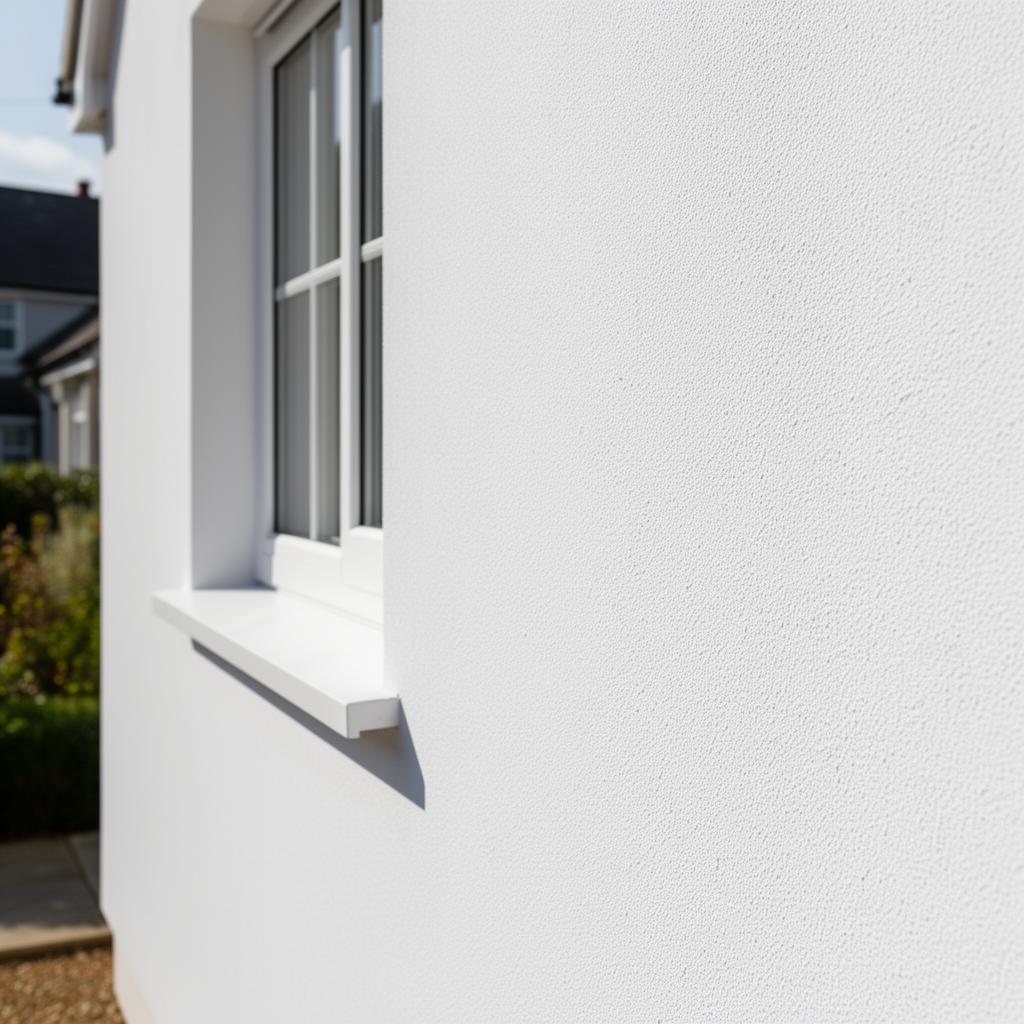
Metherell is a village within the PL17 area, roughly 10.2 miles out from PL3 and one of 9 places we cover in that district. Its painted render and stone walls behave in a predictable way once you know the exposure.
The Cornwall detail
- Recorded character: village. Small village above the Tamar.
- PL17 covers 2 town hubs and 7 villages or districts in our radius.
- Calstock sits about 0.4 miles from Metherell on our round, so visits are often shared.
- Postcode district: PL17. County: Cornwall. Approx 10.2 miles from the PL3 base.
- Typical wall finish here is painted render and stone, which sets the cleaning method.
painted render and stone and what it needs
- Coloured through-render fades gradually, so what looks like dirt on an older wall is sometimes age in the finish.
- Patched render takes treatment differently from the original, which is why patches are identified before work starts.
- A test patch low down and out of sight is how failing paint is found deliberately.
- Where a painted wall has been patch-repainted, the patches clean at a different rate.
- Stone elevations vary enormously in hardness, and the pointing is usually the weakest part.
- Rubble stone walls have deep joints that hold moisture and feed growth from within the joint.
Application, dwell and rinse
- 1.Painted elevations get a small test patch first, low down and out of sight, so failing paint is found deliberately rather than by accident.
- 2.The mix is made up in small batches as the work moves, rather than one large batch that stands and weakens.
- 3.The job is worked one elevation at a time from end to end so that nothing dries out mid-wall.
- 4.The elevation is walked first and anything loose, open or already failing is noted before a drop of water goes near it.
- 5.A final walk of each finished elevation happens with the property owner where they are home, and by photograph where they are not.
- 6.Downpipe backs and the strip of wall behind them are done by hand, because a sprayed pattern always misses them.
- 7.Steps and thresholds get a plain water rinse at the end so nothing is left slippery.
- 8.Where a wall carries a satellite dish or cable run, the fixings are checked before they get wet.
- 9.Guttering above a worked elevation is checked for standing water, because a drip mid-treatment ruins an even finish.
- 10.Where a wall has been previously jet washed, the damaged band is treated at a reduced strength.
The survey we do in Metherell
- 01Cracks are traced to their ends, because a crack that runs to an opening behaves differently from one that stops.
- 02Where the pattern is even across the whole face, exposure and aspect are the cause.
- 03The condition of the cills tells you how much water has been running down the face.
- 04A slow walk of the gutter line from the ground finds most of the causes worth fixing.
- 05How quickly a splash of water darkens the surface says how porous the finish has become.
- 06The underside of the soffit is checked, because staining there rarely stays there.
- 07Colour matters: green suggests algae, black suggests fungal spotting, grey-white crust suggests lichen.
- 08Anything that cannot be explained by water is treated with more caution, not less.
What to book before and after the walls
Small repairs to pointing are best done after cleaning, when what needs doing is visible.
If a decorator is due, the wall clean goes in first and is given time to dry fully.
A first clean is heavier work than the ones that follow, so the interval afterwards can be longer than people expect.
Fascia and soffit cleaning is folded into the wall visit rather than being priced as a separate trip.
What to tell us in advance
- Say whether the side passage is wide enough for a wheeled kit trolley.
- Tell us about pets in the garden before the day rather than on it.
- Note the position of the stopcock in case the outside tap needs isolating.
- Tell us about any previous treatment that came back quickly, and how quickly.
- If you have a pond, a water butt or a wildlife area, point it out in advance.
- Point out ground-floor windows that are painted shut, as they need different masking.
- Let us know if anyone in the house works nights and needs quiet at a particular time.
- Say whether the property is occupied during the day, since that changes nothing technically but helps the plan.
Asked most often in PL17
- Can you work around a conservatory?
- The glazing is sheeted first and given a rinse at the end.
- Should the gutters be done at the same time?
- Usually. Overflow is behind a large share of wall staining, so clearing it protects the work.
- Is the method different on a listed building?
- The approach is gentler still, and lime finishes are treated with the lowest strength that will work.
- Will the treatment harm my planting?
- Beds are wetted down first so run-off arrives diluted, and rinsing is directed away from anything growing.
- Will the wall need doing again next year?
- Not usually. How long it holds depends on shade, run-off and airflow rather than on the treatment.
- What if the render is cracked?
- We will point it out and work around it. Cleaning does not fix cracks and can make them more obvious.
- How do you price the work?
- By elevation area and access, put in writing before anything starts.
- Do you clean UPVC panels and door surrounds?
- They are wiped by hand rather than sprayed.
Close to Metherell
Metherell wall softwash, in short
The quiet visit is the good one. Noise usually means pressure. Prep takes longer than application, and that is the right way round. Small jobs get the same sequence as large ones, just fewer elevations. Monday to Saturday, 8am to 7pm.
Before the photos go up
Clean elevations change the first picture of a listing more than anything else outside.
Quote for a Metherell property
Monday to Saturday, 8am – 7pm